
Affordable dental implants in Stratford, CT, usually mean finding the option with the best total value, not just the lowest starting price. Your final cost depends on how many teeth need to be replaced, whether you need extractions or bone grafting, the type of restoration used, and what insurance or financing may help.
Deciding whether dental implants are the best way to replace missing teeth means comparing total treatment costs, likely preparatory care, and realistic timelines for healing. The Dental Club in Stratford, CT offers approachable, exam-based guidance so you can get a clear, itemized plan and understand practical next steps.
A dental implant is a small post placed in the jawbone to support a replacement tooth. A complete single-tooth implant usually includes three parts: the implant post, an abutment, and a custom crown.
In daily life, implants can help you chew more comfortably, speak more clearly, and avoid a removable tooth that shifts. They also help support the bone in the area, although long-term results depend on healing, gum health, home care, and tobacco use.
Treatment is usually completed in stages. After placement, the bone often needs time to heal around the implant through the osseointegration process before the final tooth is attached.
The cost goes up when treatment is more complex. Common factors include the number of implants, extractions, bone grafting, sedation, imaging, lab fees, and the type of crown, bridge, or denture being made.
It is important to ask for a written estimate that breaks down each step. A very low advertised fee may cover only the implant post and not the exam, scan, abutment, final restoration, or follow-up care.
Insurance may help with some parts of treatment, but benefits vary widely. Many patients also ask about phased treatment, HSA or FSA funds, third-party financing, or office payment arrangements when available.
The right option depends on how many teeth are missing, the condition of your gums and bone, and what matters most to you. A lower upfront price is not always the lowest long-term cost if the option needs more repairs, relines, or replacement later.
Option | Typical Use | Cost and Practical Considerations |
|---|---|---|
Single implant and crown | One missing tooth | Higher initial cost than some alternatives, but neighboring teeth usually do not need alteration. Learn more about a single tooth implant. |
Implant-supported bridge | Several adjacent missing teeth | Can replace multiple teeth with fewer implants than placing one implant for every missing tooth. |
Many or all teeth missing | May improve denture stability while using fewer implants than a fixed full-arch option. | |
Traditional bridge | One or more missing teeth | Often faster to complete, but usually requires reshaping nearby teeth. |
Removable partial or full denture | Multiple missing teeth | Often has a lower starting cost, but may move during eating or speaking and may need more adjustments over time. |
Sometimes the most budget-friendly safe plan is to treat infection or gum disease first and then complete implant care in phases. In other cases, a removable option now and implants later may make sense, though future bone changes can affect your choices.
If many teeth are missing, All-on-4 implants may also be worth discussing. This approach can support a full arch with fewer implants than replacing each tooth individually.
Many adults with missing teeth may qualify for implants. Healthy gums, enough bone support, manageable medical conditions, and good home care habits all help improve the chance of long-term success.
Some health factors can change the treatment plan. Diabetes, immune conditions, certain medications, prior radiation treatment, heavy tobacco use, or active gum disease may affect healing and should be reviewed carefully.
A full implant evaluation may include an exam, dental X-rays, and a cone beam CT scan. This helps the dentist check bone volume, nearby nerves or sinuses, and whether grafting or another option may be needed.
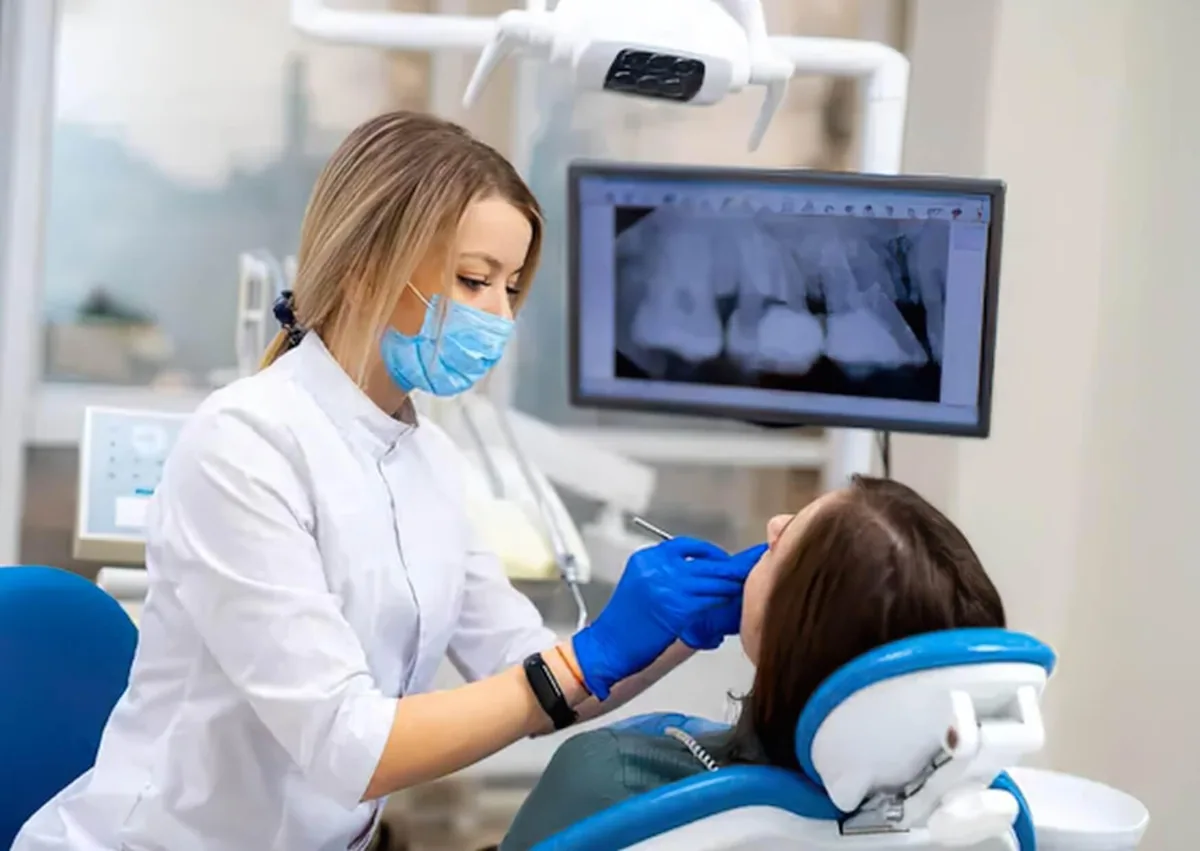
Treatment starts with a plan based on your oral health, bite, imaging, and goals. If you have active infection, severe decay, or uncontrolled gum disease, those problems usually need to be treated first.
Implant placement is a surgical procedure, usually done with local anesthesia. Mild swelling, tenderness, and slight bleeding can happen afterward, and your dental team should give you clear instructions for cleaning and recovery.
Call the treating dentist promptly if you have worsening swelling, persistent bleeding, severe or increasing pain, fever, pus, a bad taste that does not improve, or a loose implant or temporary tooth. Trouble breathing or swallowing, rapidly spreading facial swelling, or swelling near the eye needs urgent medical attention, and these warning signs should not be ignored.
When comparing local treatment plans, ask exactly what the fee includes. Important items to review are imaging, implant placement, the abutment, the final crown or denture, temporary teeth, grafting, sedation, and follow-up visits.
It also helps to ask who performs each stage and what alternatives are available. A good implant consultation should explain expected benefits, risks, healing time, maintenance needs, and why the recommended option fits your situation.
For many Stratford families, the next practical step is an implant evaluation with insurance information, a medication list, and any recent dental records. You can also learn more about dental implants before your visit so the written treatment plan is easier to compare and understand.
The appropriate next step is an implant evaluation with imaging and a written estimate so you know exactly what to expect and how treatment could be phased. Contact The Dental Club for dental implants in Stratford, CT at (203) 378-0182 to schedule a consultation and review your personalized plan.
There is no single reliable price because a complete implant tooth may include imaging, the implant post, an abutment, a crown, and sometimes extraction or grafting. A clinical evaluation is the best way to get an itemized estimate based on your needs.
Some plans cover part of the surgery or restoration, while others exclude implants or apply deductibles, waiting periods, annual maximums, or missing-tooth clauses. Ask the dental office for procedure codes and a pretreatment estimate, but remember that an insurer's estimate is not a guarantee of payment.
A lower price is not automatically unsafe, but you should understand exactly what the fee includes. Be cautious if a quote leaves out needed imaging, restorative parts, follow-up care, or a clear discussion of risks and alternatives.
Implants can last for many years, but no restoration has a guaranteed lifespan. Daily cleaning, regular dental visits, gum health, bite forces, tobacco use, medical conditions, and wear on the crown or denture all affect longevity.
Some patients may receive an implant and a temporary tooth on the same day, but not everyone is a candidate for that approach. Bone quality, implant stability, infection, bite forces, and the number of teeth involved all help determine whether immediate placement or loading is appropriate.