Full mouth dental implants cost usually ranges from about $20,000 to $50,000 or more per arch in the United States. Replacing both the upper and lower teeth may cost roughly $40,000 to $100,000 or more, depending on the number of implants, the type of final teeth, bone or gum treatment, sedation, and local fees.
If you're weighing full-arch tooth replacement options and concerned about long-term stability and cost, exploring dental implants can clarify whether fixed or removable solutions suit your needs. The Dental Club in Stratford, CT offers approachable, locally focused evaluations to help you understand options, likely costs, and practical next steps.
"Full mouth dental implants" usually means a full set of replacement teeth supported by implants. It does not usually mean one implant for every missing tooth.
Many full-arch cases use four, six, or another suitable number of implants to support a fixed bridge or a removable denture. Pricing is often listed per arch, so always confirm whether a quoted fee covers one arch or the entire mouth.
A complete estimate may include the exam, imaging, tooth removal, implant placement, temporary teeth, the final prosthesis, anesthesia or sedation, and follow-up visits. Some low advertised prices leave out parts of treatment, which can make the total cost much higher later.
Jawbone health is one of the biggest cost factors. Bone grafting, sinus lifts in the upper jaw, or treatment for active gum problems can add procedures, healing time, and expense, so ask whether the estimate includes services like gum disease treatment.
The material used for the final teeth also matters. Acrylic teeth often cost less upfront, while zirconia and other stronger materials usually cost more and may differ in durability, appearance, repair needs, and weight.
Other factors include the number of implants, the implant brand or system, lab work, digital planning, sedation, local overhead, and bite complexity. Smoking, teeth grinding, diabetes, or past implant problems may also affect planning and long-term risk.
Implants are not the only way to replace a full arch of teeth. The best choice depends on your oral health, anatomy, budget, and whether you want teeth that stay fixed in place.
Option | How It Works | Relative Initial Cost | Daily Considerations |
|---|---|---|---|
Conventional complete denture | Rests on the gums without implants | Lowest | Removable; may shift and require adhesive or adjustments |
Implant-retained overdenture | Clips onto implants but remains removable | Moderate | Better stability; must be removed for cleaning |
Fixed full-arch implant bridge | Stays attached to several implants | Highest | Feels more like fixed teeth; requires careful cleaning underneath |
For some patients, modern implant dentures offer a middle ground. They can provide more stability than regular dentures while still being removable for cleaning and maintenance.
A lower starting price does not always mean a lower long-term cost. Ask about repairs, attachment replacement, professional cleanings, relines, and how long the final teeth are expected to last.
Treatment planning usually starts with an exam, a health review, X-rays, and often a cone-beam CT scan. The dentist checks your bone, gums, bite, smile goals, and whether any other treatment is needed first.
Your plan may include extractions, grafting, implant placement, temporary teeth, healing over several months, and then the final teeth. In some cases, temporary fixed teeth can be placed the same day, but they are not the final restoration and are not right for every patient.
After surgery, some swelling, bruising, and discomfort are normal. Contact the treating team promptly for worsening swelling, uncontrolled bleeding, fever, pus, severe or increasing pain, trouble swallowing or breathing, or a temporary prosthesis that becomes loose or breaks.
Ask for a written treatment plan that shows the total fee and what is included at each stage. This makes it easier to compare one office's estimate with another.
Helpful questions include:
Dental insurance may help with parts of treatment, such as extractions, imaging, grafting, or part of the prosthesis. Many plans still have annual maximums, waiting periods, and exclusions, so financing terms should also be reviewed carefully.
Be cautious with unusually low package prices. If the quote does not clearly list the implant components, final material, provider responsibilities, and follow-up care, it may not reflect the true total cost.
If you are considering treatment away from home, think about travel costs too. Healing checks, adjustments, repairs, and complications may require multiple return visits.
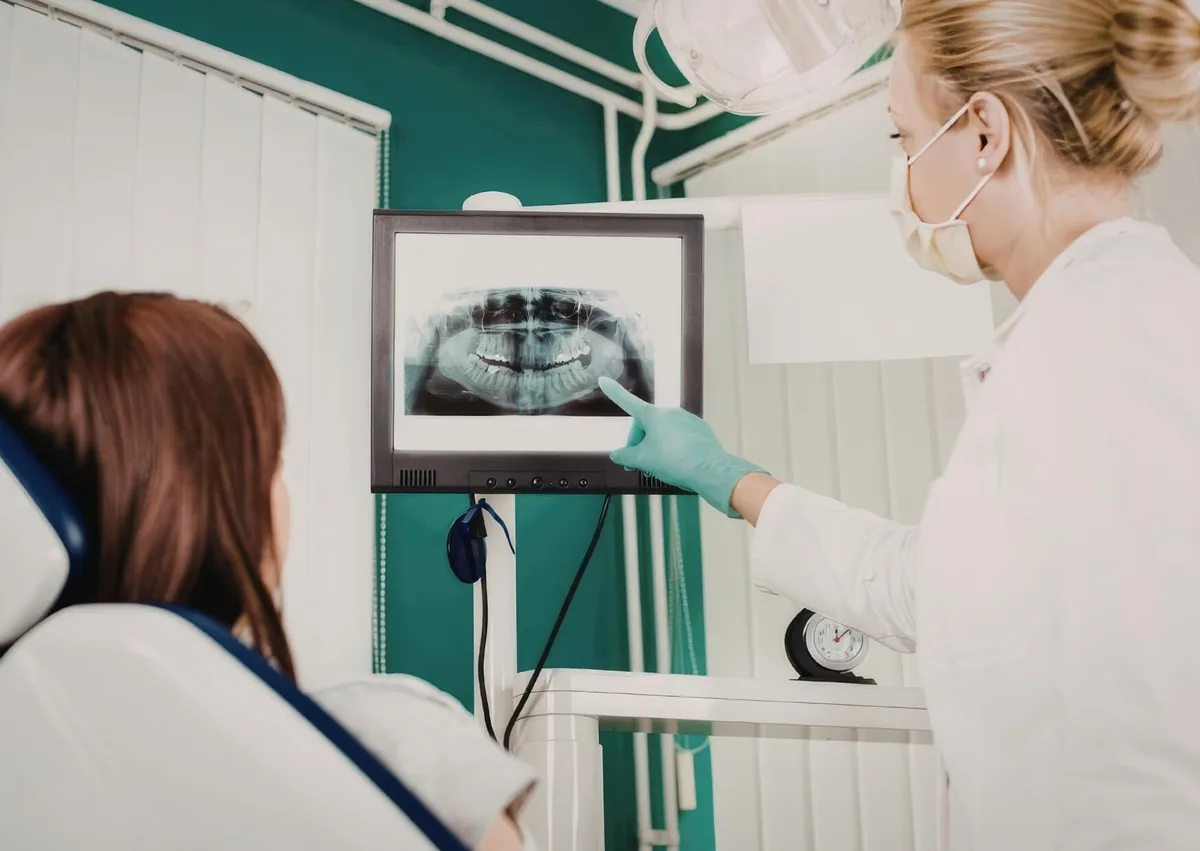
Two people who seem to need the same treatment can have very different costs. Bone support, gum health, bite force, and restorative needs all affect the plan.
An in-person exam is the best way to compare fixed bridges, implant-retained dentures, and regular dentures safely. It also helps you understand the likely timeline, maintenance needs, and whether extra procedures are needed before implants.
Bring your insurance information, medication list, and any recent dental images to the visit. A clear diagnosis and itemized estimate can help you make a more confident decision.
Discussing your specific needs with a clinician can confirm implant eligibility, clarify costs, and produce an itemized plan tailored to your situation. Contact The Dental Club for dental implants in Stratford, CT at (203) 378-0182 to schedule a consultation and get a clear, local estimate.
Some plans may pay for part of related treatment, but full coverage is uncommon. Ask the office for procedure codes and a pre-treatment estimate, and remember that insurance review is not a guarantee of payment.
Four implants can support certain full-arch designs, such as All-on-4 implants, but the appropriate number depends on bone, anatomy, bite force, implant position, and prosthesis design. A dentist or specialist must decide whether that approach is predictable for your case.
Implants can last many years, but no restoration is guaranteed for life. The bridge or denture may need maintenance or replacement sooner than the implants, especially with grinding, smoking, poor home care, uncontrolled health conditions, or missed dental visits.
If you have questions about future imaging, see MRI with dental implants.
A full-arch bridge supported by several implants is usually more practical and less expensive than replacing every missing tooth with a single tooth implant. The total cost can still be high because it includes surgery, lab work, temporary teeth, and a custom final prosthesis.
Implants and temporary teeth can sometimes be placed in one visit. Planning, healing, and delivery of the final teeth still take longer, and not every patient is a candidate.