Gum contouring commonly ranges from about $50 to $350 per tooth. If several teeth are treated, the total gum contouring cost often falls around $1,000 to $3,000 or more in the United States, depending on how much reshaping is needed and whether other dental treatment comes first.
These are broad estimates, not a personal quote. A dentist or periodontist, a dentist who specializes in the gums and supporting structures of the teeth, can give you a more accurate price after checking your gumline, teeth, and overall oral health. If you already think reshaping may help, a focused consultation about gum contouring can clarify likely fees and next steps.
If an uneven or gummy gumline is affecting how your smile looks or feels, gum contouring can clarify whether reshaping will meet your goals while keeping oral health in mind. At The Dental Club in Stratford, CT, our team recommends tailored contouring plans that focus on predictable results and straightforward recovery to help you make an informed choice.
Gum contouring reshapes the gumline by removing or repositioning gum tissue. In daily life, that can mean a smile that looks more even, teeth that appear less covered by gum tissue, or better access to a tooth that needs a crown or filling.
The procedure may be done with a dental laser or with traditional surgical instruments. Local anesthetic is usually enough, and many patients get back to normal routines within a day or two, though tenderness and soft-food eating may last a little longer.
Not every uneven gumline should be treated with contouring. Swelling, gum disease treatment needs, medication effects, tooth position, or jaw development can all affect how the gums look, so the cause matters before treatment is chosen.
The biggest factor in gum contouring cost is usually how many teeth need treatment. A small adjustment near one tooth generally costs less than reshaping the visible gumline across several front teeth.
Other factors can also affect the final price:
If bone also needs to be reshaped, the procedure becomes more involved and recovery may take longer. This may be called crown lengthening when the goal is to expose more tooth structure for a restoration or improve access to a damaged area.
Procedures that look similar to patients can have different goals and different price ranges. The table below shows the most common differences.
Treatment | Common Purpose | Relative Cost and Recovery |
|---|---|---|
Minor cosmetic contouring | Smooth a small uneven area | Usually lower cost; recovery is often brief |
Multi-tooth cosmetic contouring | Create a more balanced smile line | Higher total cost because more teeth are treated |
Clinical crown lengthening | Expose tooth for a filling or crown | Often costs more if tissue and bone need adjustment |
Gum grafting | Cover exposed roots or add tissue | A different procedure with separate pricing and recovery |
A laser does not automatically mean better treatment or a lower fee. The right method depends on tissue thickness, the amount of correction needed, access to the area, and the clinician's judgment.
Dental insurance usually does not cover gum contouring when it is done only to change appearance. Coverage may be possible when the procedure is medically or restoratively necessary, such as exposing enough healthy tooth structure to place a crown.
Ask the dental office for a written estimate with procedure codes before treatment. That makes it easier to check your deductible, annual maximum, waiting periods, exclusions, and expected out-of-pocket cost with your insurer.
Some offices offer payment plans or work with third-party financing companies. HSA or FSA funds may help with medically necessary treatment, but purely cosmetic treatment may not qualify, so it is smart to confirm current plan rules first.
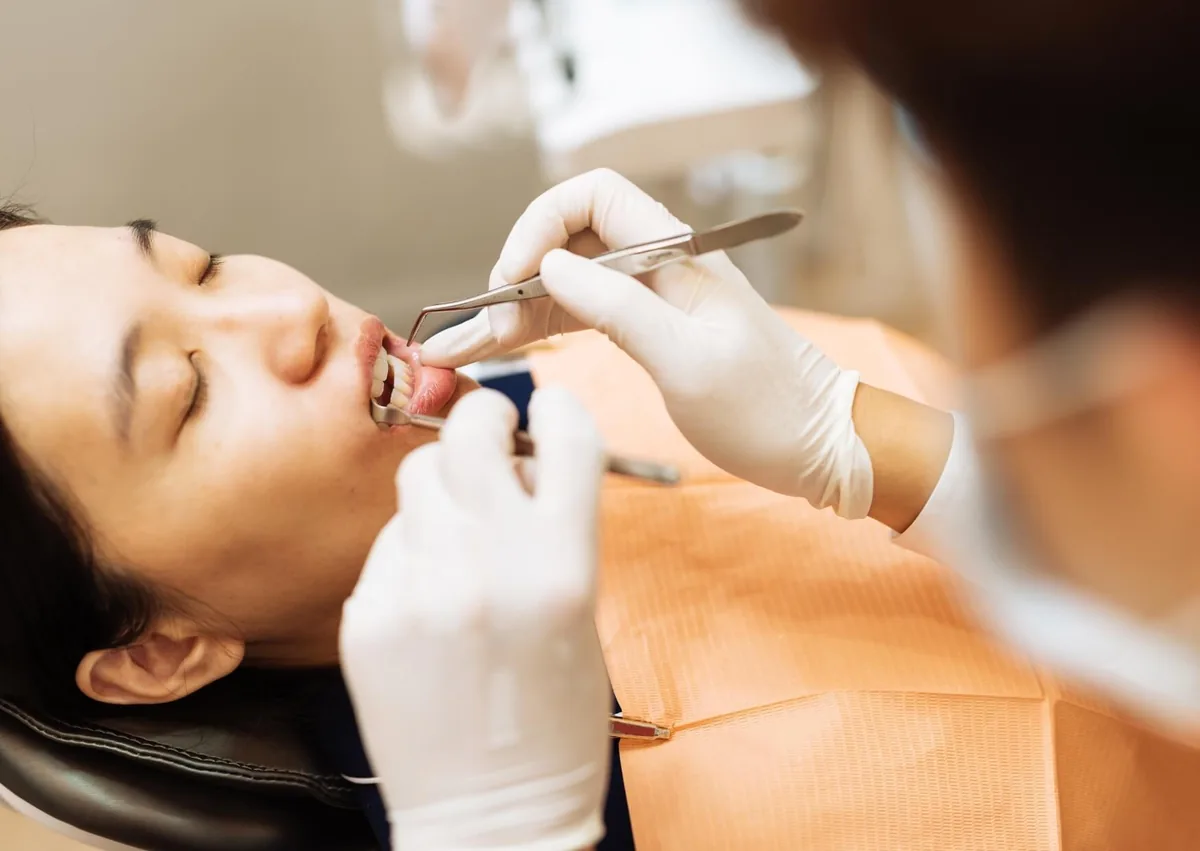
Before recommending treatment, the dentist will look at your teeth, gum health, bite, and supporting bone. Photos, measurements, or X-rays may be needed, especially if the reshaping could extend close to the bone.
After treatment, mild soreness, swelling, and sensitivity are common. Follow the office's instructions for brushing, eating, and healing, and do not try to trim or treat gum tissue at home.
Call the treating office if bleeding does not slow, swelling gets worse, or you notice fever, pus, severe pain, or signs of an allergic reaction. Seek urgent medical care for trouble breathing or swallowing, or for rapidly spreading facial swelling.
The best way to learn your likely gum contouring cost is through an in-person consultation. A local exam can show whether contouring fits your goals, whether other treatment should come first, and what fees apply in your area.
It helps to ask whether the estimate includes the exam, imaging, all treated teeth, local anesthetic or sedation, follow-up visits, and any restorative work that may be needed. You can also ask who will perform the procedure, whether bone adjustment may be necessary, what result is realistic, and how long healing may take.
A local dentist can also explain alternatives, including cosmetic dentistry, if gum contouring is not the best match for your smile. That gives you a personalized plan without committing to treatment on the spot.
To confirm whether contouring is suitable and get a written estimate that reflects local fees, book a consultation that includes examination and imaging. Contact The Dental Club for gum contouring in Stratford, CT at (203) 378-0182 to discuss your options and arrange a convenient appointment.
Results are often long-lasting because removed gum tissue usually does not grow back in the same way. However, gum disease, inflammation, certain medications, or changes in oral health can affect the gumline over time.
Local anesthetic usually keeps patients comfortable during treatment. Mild soreness or sensitivity afterward is common, and procedures that also involve bone may take longer to heal.
It can help when excess gum tissue covers teeth that are otherwise normal in size. If lip movement, tooth position, or jaw structure is the main cause, another treatment or a combination of treatments may be more appropriate.
Not necessarily. The total cost usually depends more on the size of the treatment area, the complexity of the case, the clinician, and local fees than on whether a laser is used.
Active gum disease usually needs evaluation and treatment first. Reshaping inflamed tissue without treating the underlying infection can lead to poor healing or an unstable result.