Braces commonly cost about $3,000 to $8,000 in the United States. The final price depends on the type of braces, how complex the tooth or bite correction is, local office fees, and how much insurance helps pay.
An orthodontic consultation with an orthodontics specialist is the best way to get an accurate estimate. Ask for a written quote that shows what is included, what insurance is expected to cover, and which costs could come up later.
If you're weighing costs and want a clear, personalized plan for straightening teeth or correcting your bite, an orthodontics consultation can clarify options and likely expenses. The Dental Club in Stratford, CT offers approachable, practical guidance and clear, written estimates to help you budget and decide with confidence.
The type of braces you choose is one of the biggest factors in cost. Metal braces are usually the most affordable fixed option, while less visible choices often cost more.
Clear aligners can cost about the same as braces in many cases, but they are not the right fit for every smile. A dentist or orthodontist can recommend the best option based on tooth movement, bite correction, age, oral health, and how reliably the trays can be worn.
Treatment Option | Common U.S. Price Range | Practical Considerations |
|---|---|---|
Metal braces | $3,000 to $7,000 | Visible, durable, and suitable for many corrections |
Ceramic braces | $4,000 to $8,000 | Less noticeable but may stain or break more easily |
$3,000 to $8,000 | Removable, but require consistent daily wear | |
Lingual braces | $8,000 to $13,000 or more | Placed behind teeth and offered by fewer providers |
These are general U.S. estimates, not guaranteed fees. Your actual quote may be lower or higher depending on your needs and your area.
Treatment complexity is one of the biggest cost drivers. Mild spacing may take less time and fewer visits than severe crowding, bite problems, or jaw alignment issues.
Treatment commonly lasts around 12 to 30 months. Some cases finish sooner, while others take longer and need more adjustments, monitoring, or extra appliances.
Your quote may include:
Location also affects pricing. Two offices may recommend similar treatment but charge different fees, so it helps to compare what is included, not just the total number.
Braces are not only a financial decision. They also affect your routine, food choices, and follow-up care for many months.
Fixed braces need regular visits, careful brushing and flossing, and some diet changes. Hard, sticky, or chewy foods can damage brackets and wires, which may lead to extra visits or added charges if repairs are not included.
Clear aligners usually need to be worn most of the day. They come out for meals, most drinks, and brushing, but losing trays or not wearing them as directed can slow progress and add replacement or refinement costs.
Mild soreness or pressure is common after braces are placed or adjusted. Call the treating office if a wire keeps cutting the mouth, a bracket comes loose, pain becomes severe, or you notice swelling, fever, or trauma.
Dental insurance may help pay for orthodontic treatment, but coverage is often limited. Many plans use a lifetime orthodontic maximum instead of a yearly benefit.
Coverage may also depend on age limits, waiting periods, network rules, or whether treatment is considered medically necessary. Some plans cover children but not adults.
Before treatment starts, ask the insurer and dental office to confirm:
Insurance estimates are helpful, but they are not guarantees of payment. The patient or responsible party is usually responsible for any amount the plan does not pay.
Many offices offer monthly payment plans. These may require a down payment, so ask how the schedule works, whether interest or fees apply, and when the full balance must be paid.
HSA and FSA funds may be used for eligible orthodontic expenses. Check with your plan administrator so you understand what qualifies and when reimbursement is available.
Third-party financing can spread out the cost over a longer period. Just make sure to compare the total amount paid, not only the monthly payment, because interest can raise the final cost.
A full orthodontic evaluation may include an exam of the teeth, gums, jaw, and bite, along with photos, X-rays, or digital scans. Cavities and gum disease often need treatment first because braces can make daily cleaning harder.
Ask for an itemized treatment plan. It should explain whether the quoted price includes retainers, repairs, missed appointments, replacement aligners, treatment extensions, and post-treatment monitoring.
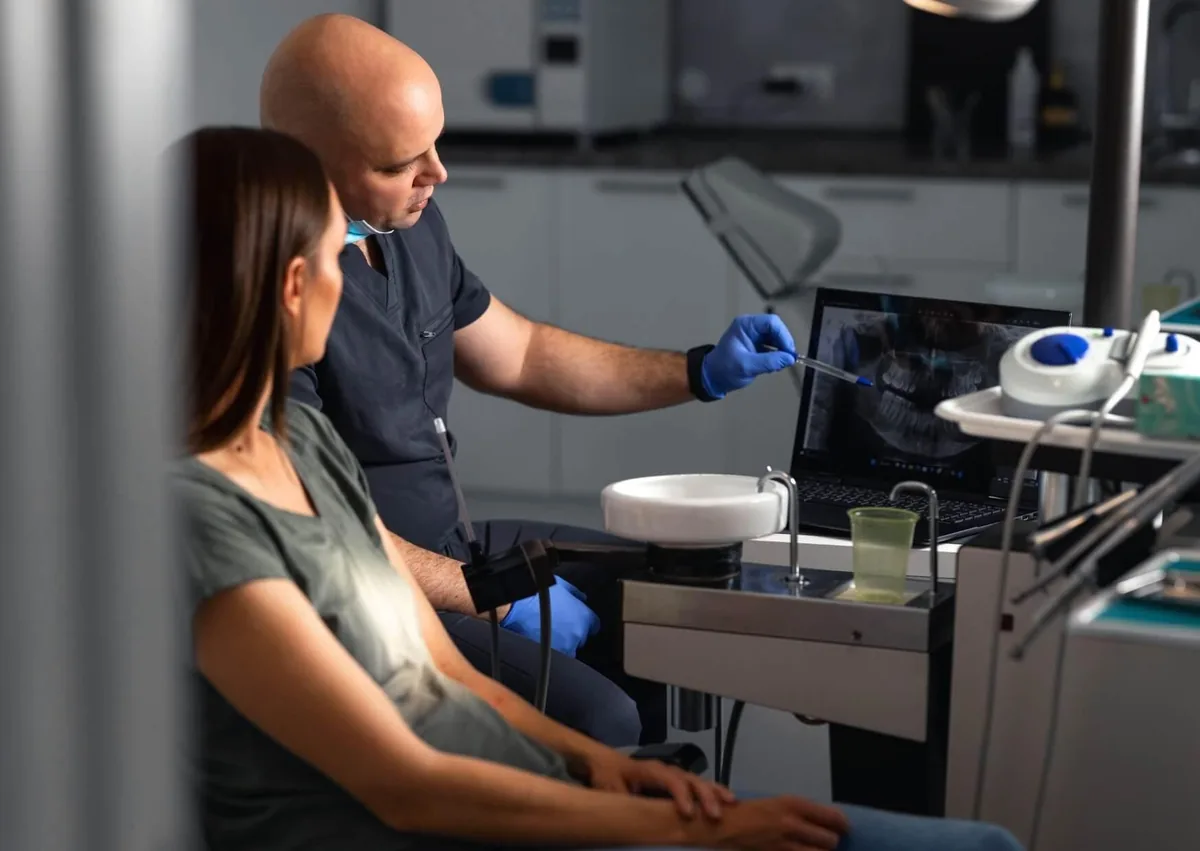
A first visit gives the clearest picture of treatment choices, timing, insurance benefits, and monthly costs. If the diagnosis, fee, or treatment plan is unclear, it is reasonable to get a second opinion.
Talk with a clinician about a written treatment plan, itemized costs, and payment options so you know what to expect during and after orthodontic care. Call The Dental Club in Stratford, CT for orthodontics at (203) 378-0182 to schedule a consultation or request a cost estimate.
Not always. Cost usually depends more on treatment complexity, appliance type, treatment length, and insurance coverage than on age alone.
Sometimes, but not always. Ask whether the quote includes the first set of retainers, follow-up visits, and replacement retainers if one is lost or damaged.
Yes. Many patients use office payment plans, savings, eligible HSA or FSA funds, or financing.
Not necessarily. Compare the provider's experience, the treatment plan, what is included, the expected timeline, emergency policies, retainer care, and the total cost.
Yes, they can. Costs may go up if treatment takes longer than expected, appliances are lost or broken, or the original quote does not include certain services.