
Dental retainers usually cost about $100 to $500 for one removable retainer in the United States. A full set for upper and lower teeth may run about $200 to $1,000, while a permanent bonded retainer often costs about $250 to $600 per arch. Your final price depends on the type of retainer, local lab fees, whether scans or adjustments are included, and your dental insurance coverage.
If you're trying to figure out how much retainers cost or which kind makes daily life easier, a clear comparison can take the guesswork out of the decision. The Dental Club in Stratford, CT helps patients understand the options, expected wear, and likely fees so they can choose a practical next step with confidence.
A retainer keeps teeth in their corrected position after braces or clear aligners. Without retention, teeth can slowly shift as the bone and surrounding tissues settle.
That is why wearing a retainer as directed helps minimize relapse and protect the results of orthodontic treatment. Many people start with full-time wear and later move to nighttime wear, but the exact schedule should come from the treating dentist or orthodontist.
Most patients choose from three common retainer types:
These are general U.S. estimates, not fixed fees. In some orthodontic plans, the first retainer is included, while replacement appliances are billed separately. The total cost of retainers can also depend on what was included in the original treatment package.
The quoted fee may include digital scans or impressions, lab work, the number of arches being treated, and follow-up adjustments. Special materials, complex tooth positions, rush fabrication, or bonded retainer repair can also raise the cost.
When comparing estimates, ask whether the price covers one arch or both, the fitting visit, adjustments, and a storage case. It is also smart to ask about a replacement plan, especially for clear retainers that may need to be remade over time. You can also ask whether the office offers payment plans to make treatment easier to manage.
Dental insurance may help when retention is part of an orthodontic benefit, but lost or replacement retainers are often excluded. Flexible spending accounts and health savings accounts can often be used for eligible retainer costs, depending on your plan rules.
A retainer should be checked if it no longer fits fully, feels much tighter than usual, has a sharp edge, or shows cracks or warping. Do not force a retainer that no longer fits, because teeth may have shifted or the appliance may be damaged.
If a retainer is lost or broken, contact a dental office promptly. Teeth can begin moving sooner than many people expect, and early replacement may help prevent bigger bite changes.
Bonded retainers also need attention if the wire loosens or comes off a tooth. If a bonded retainer breaks, keep the area clean and arrange follow-up care. Seek prompt care for worsening pain, major swelling, trauma, uncontrolled bleeding, or trouble swallowing or breathing, with breathing or swallowing problems needing urgent medical attention.
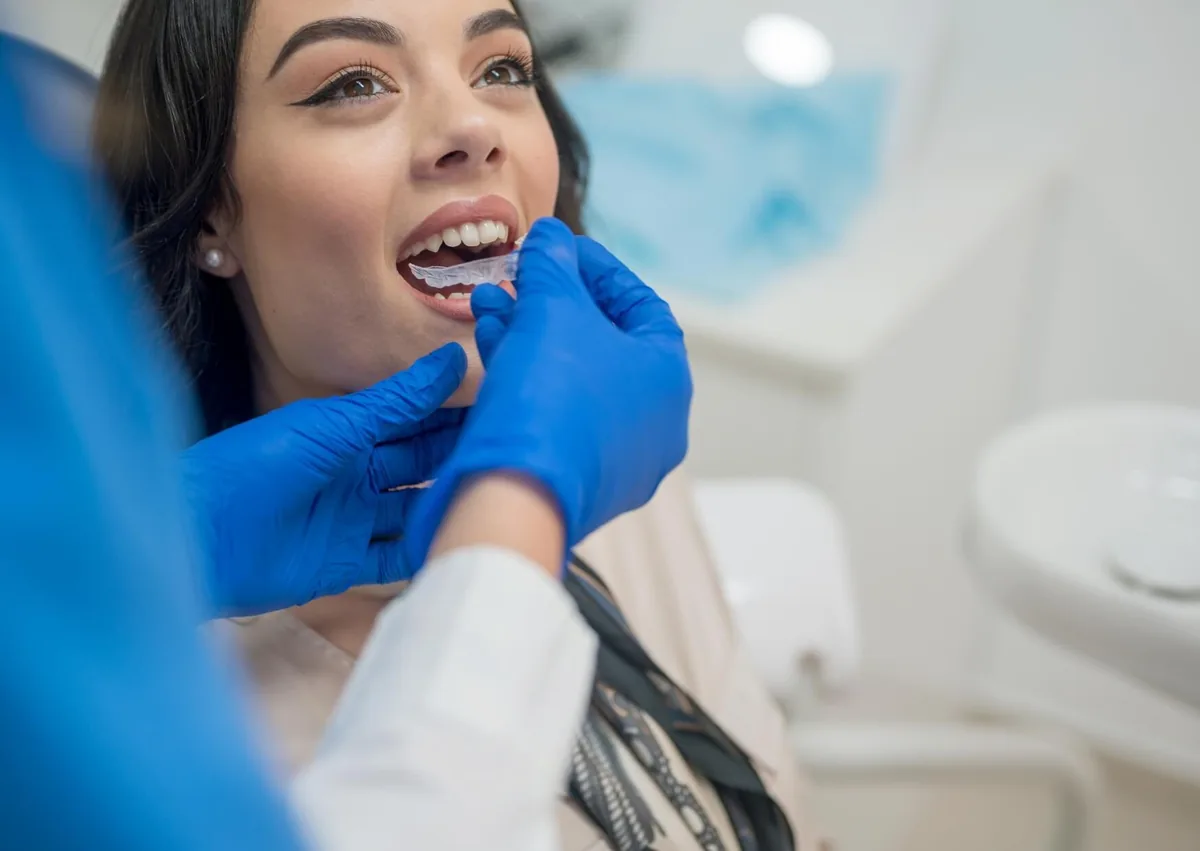
Bring your current retainer to the visit, even if it is cracked, bent, or no longer fits. A dentist or orthodontics specialist can check tooth position, review your options, and give you a written estimate based on the appliance and local lab costs.
Retainer replacement is a normal part of maintaining orthodontic results. Taking care of the problem early can help limit extra tooth movement and make replacement simpler.
To confirm the right retainer and an accurate estimate, plan a short in-person exam so your provider can assess fit, materials, and any needed scans or adjustments. Call The Dental Club in Stratford, CT, serving nearby Bridgeport and Milford, at (203) 378-0182 to schedule a retainers consultation.
A replacement removable retainer often costs about $100 to $500 for one arch, though fees vary by office and material. New scans, adjustments, or rush turnaround can increase the total.
Sometimes. Some orthodontic treatment plans include the first set of retainers and early follow-up visits, while others charge separately, so it is best to review the original treatment agreement.
There is no single timeline. Clear retainers may wear out within a few years, while Hawley and bonded retainers can last longer with good care, but fit and condition matter most.
Some online options cost less, but they may not include an in-person check of tooth movement, gum health, or bite changes. If the old retainer no longer fits, a professional exam is usually the safer choice.
Coverage varies by plan. Some orthodontic benefits help with the first retainer but do not cover loss, damage, or routine replacement, so ask both the insurer and dental office before moving forward.