
If you're wondering how to prevent cavities, the short answer is simple: brush twice a day with fluoride toothpaste, clean between your teeth daily, cut down on frequent sugary or acidic snacks and drinks, and keep up with regular dental visits. These steps lower plaque buildup, strengthen enamel, and help catch early decay before it turns into a bigger problem.
Worried about recurring cavities or figuring out the right preventive plan for your family? Family dentistry can tailor regular checkups, fluoride, and sealant decisions to each age and risk level, and The Dental Club in Stratford, CT helps families stay on a simple, practical prevention plan.
A cavity is a permanently damaged area in a tooth caused by repeated acid attacks. Bacteria in plaque use sugars and starches from food and drinks to make acids that pull minerals out of enamel, the tooth's hard outer layer.
Frequency of sugar exposure matters as much as the total amount. Sipping sweet coffee for hours, grazing on crackers, or slowly drinking sports drinks can trigger repeated acid attacks, while having the same foods or drinks with a meal usually causes fewer separate attacks.
Early decay often has no symptoms. As it gets worse, you may notice sensitivity to sweets, hot or cold foods, a dark spot, a small hole, or a toothache.
Brush for two minutes twice a day with fluoride toothpaste and a soft-bristled toothbrush. Fluoride prevents tooth decay by helping weakened enamel regain minerals and become more resistant to acid.
After brushing, spit out the toothpaste and avoid rinsing right away with a lot of water. This helps fluoride stay on the teeth longer.
Use gentle, small motions along the gumline and clean every surface, including the chewing surfaces of back teeth. Replace your toothbrush or brush head about every three to four months, or sooner if the bristles are frayed.
A toothbrush cannot fully clean the tight spaces between teeth. Clean between your teeth once a day with floss, an interdental brush, or another tool your dentist recommends and that you can use consistently.
Children often need help brushing until they can clean all tooth surfaces well on their own. A dentist or pediatrician can guide caregivers on the right amount of fluoride toothpaste based on the child's age and ability to spit.
Try to keep sugary or starchy foods and sweet drinks with meals instead of having them over and over between meals. Water is the best everyday drink, and fluoridated tap water can add extra protection where it is available.
Sticky candy, dried fruit, chips, crackers, soda, sweet tea, juice, and sports or energy drinks can all raise cavity risk. Even sugar-free acidic drinks can wear down enamel if they are sipped throughout the day.
After something acidic, rinse with plain water and wait a bit before brushing because enamel may be temporarily softened. Sugar-free gum can help increase saliva after meals, but it does not replace brushing or cleaning between teeth.
Habit | Why It Helps | Practical Approach |
|---|---|---|
Drink water | Rinses away food and supports saliva | Choose it between meals |
Limit frequent snacking | Reduces repeated acid attacks | Plan snacks instead of grazing |
Have sweets with meals | Saliva flow is usually higher | Avoid prolonged sipping or nibbling |
Choose tooth-friendly snacks | Reduces fermentable sugars | Try cheese, nuts, or plain vegetables when appropriate |
Regular dental exams help a dentist check your cavity risk and spot early changes that may not be visible or painful yet. These visits are part of general dentistry.
They may also include dental x-rays to find early decay between teeth or under the surface. That information helps guide the right prevention plan.
Professional teeth cleaning removes plaque and tartar that home care can miss. A fluoride treatment may be recommended for children or adults with higher cavity risk, and dental sealants can prevent cavities by protecting the deep grooves of back teeth.
Very early mineral loss can sometimes be stopped or reversed with better home care and fluoride. Once decay creates a physical hole, though, the tooth usually needs a filling or another dental treatment.
Saliva helps neutralize acids and repair enamel, so dry mouth can raise cavity risk a lot. It may be linked to medications, medical conditions, dehydration, or cancer treatment.
If your mouth feels dry often, bring it up with a dentist or healthcare professional instead of relying on candy or sweet drinks for relief. Ongoing dryness usually needs a more targeted plan.
People with braces, exposed roots, limited hand dexterity, frequent cavities, or dental appliances may also need extra support. A dental professional can recommend cleaning tools, fluoride products, and techniques based on your specific risk.
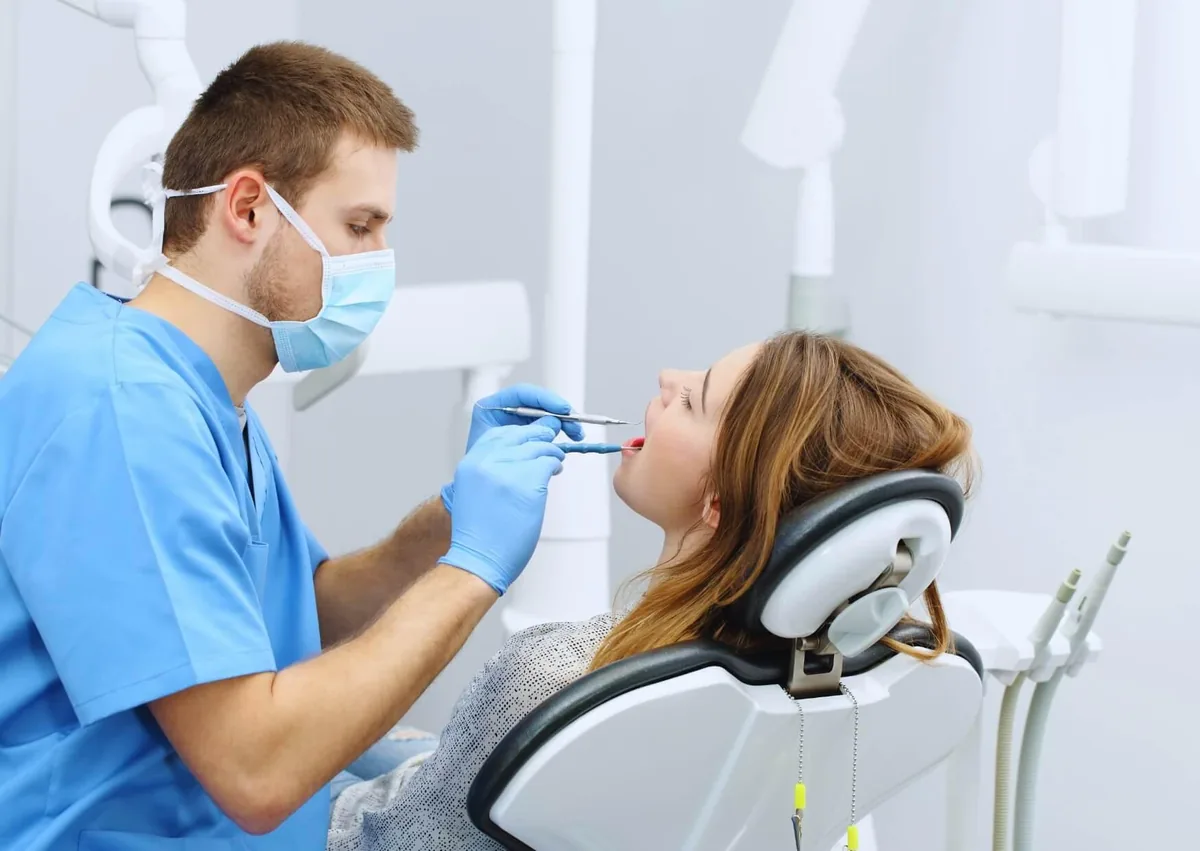
Schedule a dental visit if you have ongoing sensitivity, pain when biting, a visible pit or broken area, swelling, or symptoms that are getting worse. Early treatment may save more of the tooth and lower the chance that decay reaches the pulp, where the tooth's nerves and blood vessels are located.
Get urgent dental or medical help for facial swelling, fever with dental pain, pus, trouble swallowing or breathing, swelling near the eye, or rapidly worsening symptoms. These can be signs of an infection that needs prompt care.
Cavities are common, but they are not unavoidable. A local dental team can review your daily habits, look for early enamel changes, and build a prevention plan that fits each family member's age, health, and cavity risk.
If you want help applying these prevention steps to your household, a brief visit can identify risks and set up targeted fluoride, sealants, or cleaning plans. Call The Dental Club for family dentistry in Stratford, CT at (203) 378-0182 to schedule a convenient appointment.
Very early enamel weakening may sometimes be reversed before a hole forms, especially with fluoride, better cleaning, and fewer acid attacks. A cavity that already has a physical hole usually needs treatment from a dentist.
Fluoride toothpaste is considered safe and effective when used as directed. Young children should use an age-appropriate amount with adult supervision so they do not swallow the toothpaste.
There is no single schedule that fits everyone. A dentist may suggest more frequent visits if you have recent cavities, dry mouth, gum recession, braces, or other risk factors.
No. Sealants protect the grooves of treated teeth, but brushing, cleaning between teeth, fluoride exposure, and healthy eating habits are still necessary.
Brushing technique, missed areas between teeth, frequent snacking, dry mouth, exposed roots, not getting enough fluoride, and individual risk can all play a role. A dental exam can help identify the likely causes instead of assuming brushing is the only issue.