
Oral thrush is a common yeast infection in the mouth that often causes white patches, redness, soreness, or a cottony feeling. It is usually treatable, but painful, persistent, recurrent, or hard-to-identify mouth changes should be checked by a dentist or medical clinician because other conditions can look similar.
If mouth soreness or persistent white patches have you wondering whether to see a dentist, a family dentistry visit can clarify the cause and start appropriate care. At The Dental Club in Stratford, CT, we focus on approachable examinations and straightforward treatment plans to relieve symptoms and address contributing factors.
Oral thrush, also called oral candidiasis, happens when Candida yeast grows more than usual in the mouth. Small amounts of Candida normally live there, but antibiotics, dry mouth, illness, or immune changes can let it overgrow.
Common signs include creamy white patches on the tongue, inner cheeks, gums, roof of the mouth, or throat. These patches may wipe away and leave a red, tender area that can bleed slightly, but it is best not to scrape them at home.
Some people notice more redness than white coating, especially under dentures. Burning, altered taste, cracks at the corners of the mouth, discomfort with eating, or a cottony feeling can also happen.
Not every white or sore area is an oral thrush. Milk residue in infants, a coated tongue, irritation, lichen planus, and other mouth conditions can look similar, so appearance alone does not always confirm the cause.
Oral thrush can affect anyone, but it is more common in infants, older adults, denture wearers, and people with reduced immune defenses. Recent antibiotic use can also upset the normal balance of microorganisms in the mouth.
Other common risk factors include:
Thrush is not usually considered contagious in healthy adults. Candida can pass through close contact, but whether an infection develops depends more on the other person's age, health, and oral environment.
A dentist or medical clinician can often identify oral thrush by examining the mouth and reviewing symptoms, medicines, and health history. If the diagnosis is unclear, symptoms keep coming back, or swallowing is affected, more testing or medical evaluation may be needed.
Treatment usually includes a prescription antifungal medicine. It may come as a liquid, lozenge, tablet, or another form based on age, overall health, symptom severity, possible drug interactions, and whether the infection may extend beyond the mouth.
Situation | What Evaluation or Care May Involve | What to Expect |
|---|---|---|
Mild, first-time symptoms | Oral examination and a local antifungal when appropriate | Improvement may begin within several days |
Denture-related thrush | Treatment of the mouth plus denture cleaning and fit review | Both the infection and contributing factors need attention |
Recurrent or persistent thrush | Review of medicines, dry mouth, blood sugar, or immune health | Additional testing or medical coordination may be appropriate |
Pain or trouble swallowing | Prompt medical assessment for possible throat or esophageal involvement | Treatment may differ from care for mouth-only thrush |
Use the medicine for the full recommended time, even if your mouth starts to feel better sooner. If symptoms are not improving as expected, contact the prescribing clinician instead of extending treatment or trying to replace it with a home remedy.
Gentle daily care can make treatment more comfortable. Brush with a soft-bristled toothbrush and clean between the teeth if it does not cause more soreness.
Avoid scraping patches, using harsh mouth rinses, smoking, vaping, or eating foods that clearly make burning worse. These steps do not cure thrush, but they can reduce irritation while the medicine works.
If you use a corticosteroid inhaler, rinse the mouth and spit after each use while continuing the inhaler as prescribed. A clinician or pharmacist can also review inhaler technique and whether a spacer may help.
Remove dentures at night unless your dentist has told you otherwise. Dentures should be cleaned as directed and may need disinfection or a fit check if they are contributing to irritation or repeat infections.
Replacing a toothbrush may be suggested in some cases, but most homes do not need extensive disinfecting. Evidence for treating active thrush with yogurt, supplements, vinegar, or essential oils is limited, and some products may irritate already tender tissue.
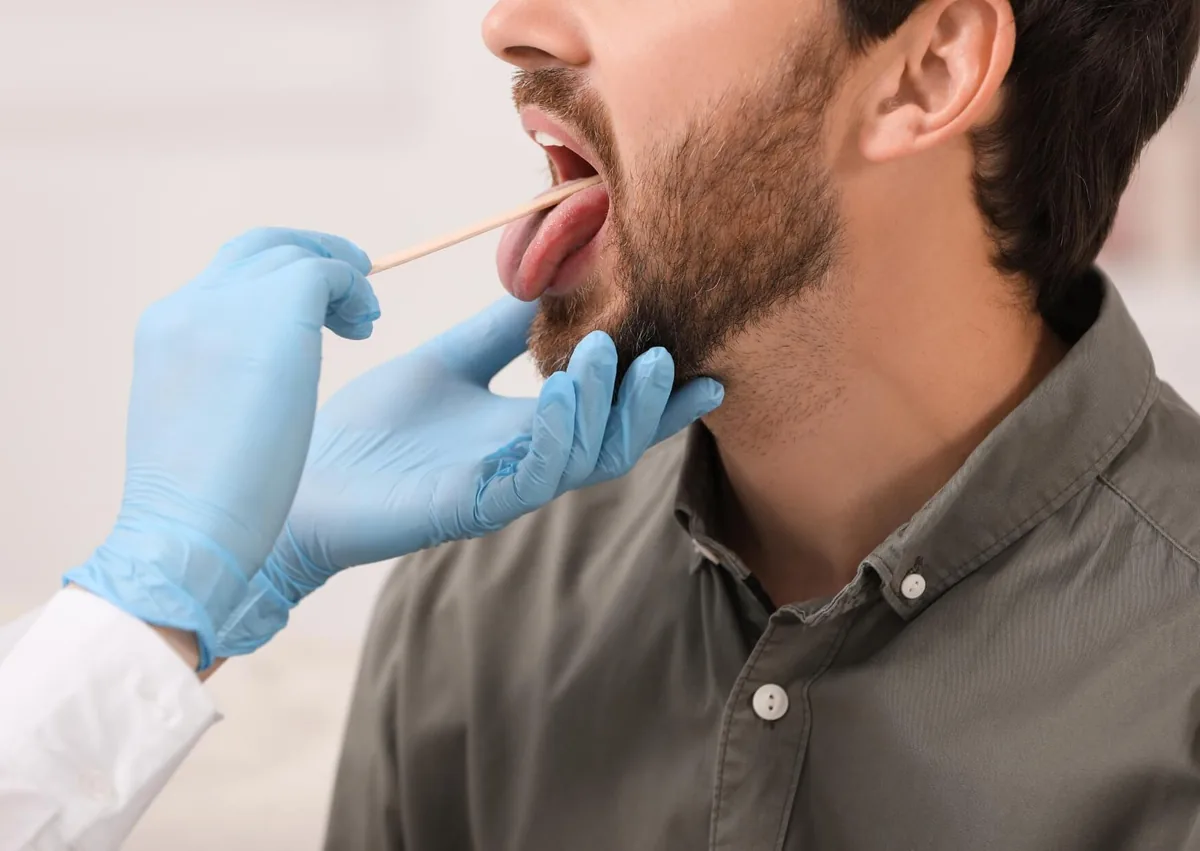
Arrange an evaluation if oral thrush symptoms last more than several days, get worse, return after treatment, or have no clear cause. Infants, frail older adults, and people with diabetes, cancer treatment, HIV, organ transplants, or other immune concerns should get timely professional guidance.
Seek prompt medical care for pain or difficulty swallowing, a feeling that food is sticking, fever, dehydration, or trouble eating or drinking. For sudden severe pain, inability to eat, or rapidly worsening symptoms, contact an emergency dentist.
A local dentistry practice or primary care clinician can examine the mouth, tell thrush apart from similar conditions, and coordinate further care when needed. If you're new to the practice, see our first visit information.
For persistent, painful, or recurrent mouth symptoms, arranging timely care helps relieve discomfort and prevents complications. Contact The Dental Club for family dentistry in Stratford, CT at (203) 378-0182 to arrange an evaluation and get practical treatment options.
A very mild case may improve if the trigger is temporary and resolves quickly. Still, it is wise to get checked if symptoms persist, return, cause pain, or affect eating or swallowing.
Not necessarily. Oral hygiene can affect the mouth's environment, but thrush is often linked to antibiotics, dry mouth, dentures, inhaled corticosteroids, diabetes, infancy, older age, or reduced immunity.
Many uncomplicated cases start improving within several days of proper treatment. Full resolution can take longer, and symptoms that do not improve as expected should be reassessed.
No. Scraping can cause soreness or bleeding and does not treat the yeast overgrowth underneath. A professional exam is safer, especially when the cause of a white patch is uncertain.