
What is preventive dental care, and when should you schedule it? In simple terms, preventive dental care means regular exams, cleanings, and at-home habits that help stop cavities, gum disease, and other oral health problems before they become painful, expensive, or harder to treat.
Most people do well with routine visits every six months. The best schedule, though, depends on your age, current oral health, cavity risk, gum health, and medical history.
If you're deciding when to begin or renew routine exams, cleanings, or a personalized preventive plan, general dentistry can help match care to your age, risk factors, and comfort. At The Dental Club in Stratford, CT, our team focuses on approachable preventive care that keeps visits efficient and easy to understand.
A preventive visit usually starts with a review of any health changes, symptoms, or concerns. The dentist then checks your teeth, gums, bite, and oral tissues for signs of decay, infection, gum disease, or oral cancer.
A professional teeth cleaning removes plaque and hardened tartar that brushing and flossing cannot fully remove at home. Cleanings can also help reduce surface stains and make it easier to keep the mouth healthy between visits.
Dental x-rays may be recommended when needed to check areas that cannot be seen during a visual exam, such as between teeth or below the gums. Their timing depends on your age, symptoms, past dental work, and risk for decay or gum disease.
Some patients also benefit from fluoride treatment or dental sealants. Fluoride helps strengthen enamel, while sealants protect the deep grooves of back teeth where food and bacteria often collect.
Preventive dental care matters because many dental problems start quietly. You may not feel an early cavity or notice the first signs of gum disease until the problem has already progressed.
A small issue found early is often easier and less costly to treat. Learning how long it can take for a cavity to form can help show why regular checkups and cleanings matter.
Early treatment is usually simpler treatment. A small cavity may only need a filling, while deeper decay may lead to a crown, root canal treatment, or tooth removal.
Preventive visits are also a good time to talk about dry mouth, bad breath, tooth sensitivity, grinding, or trouble cleaning around dental work. These everyday issues can affect eating, sleeping, comfort, and confidence even if you are not in pain.
Many people schedule preventive dental care about every six months. That is common, but it is not the right timing for everyone.
Some patients need visits more often because they have active gum disease, frequent cavities, heavy tartar buildup, dry mouth, tobacco use, certain medical conditions, or difficulty cleaning well at home. Children, older adults, and people with extensive dental work may also need more personalized follow-up.
Preventive Step | Typical Purpose | Timing Considerations |
|---|---|---|
Dental exam | Checks teeth, gums, bite, and oral tissues | Based on health and dental risk |
Professional cleaning | Removes plaque, tartar, and surface stains | Often every six months, sometimes more often |
Dental x-rays | Detects hidden decay, bone changes, and other concerns | Taken only when clinically indicated |
Fluoride treatment | Helps strengthen enamel and reduce cavity risk | Recommended according to cavity risk |
Dental sealants | Protects vulnerable grooves in back teeth | Often used for children, teens, and some adults |
Children should usually start dental visits when the first tooth appears or by the first birthday. Adults should continue preventive care throughout life, including after crowns, bridges, implants, dentures, or other restorations.
Home care is a big part of prevention. Brush twice a day with fluoride toothpaste and a soft-bristled toothbrush, making sure to clean along the gumline as well as the chewing and outer surfaces.
Clean between the teeth once a day with floss, interdental brushes, or another tool recommended by your dental team. If you have braces, limited dexterity, dry mouth, or a lot of dental work, you may need a more customized routine.
Try to limit frequent sipping and snacking on sugary or acidic foods and drinks. Repeated exposure gives cavity-causing bacteria more chances to produce acid that weakens enamel.
Water is often the best everyday drink choice. Where fluoridated tap water is available, it can add another layer of cavity protection.
Replace a worn toothbrush or brush head regularly, and avoid scrubbing too hard. Aggressive brushing can irritate the gums and contribute to enamel wear over time.
Preventive care does not replace prompt treatment when something feels wrong. Call a dentist if you have ongoing tooth pain, swelling, a broken tooth, worsening sensitivity, persistent gum bleeding, or a sore or lump that does not heal.
If a tooth becomes painful or swollen, it may help to learn what an infected tooth can look like. Problems like these should not wait for the next routine cleaning.
Seek urgent dental or medical care for facial swelling with fever, trouble breathing or swallowing, uncontrolled bleeding, or major facial trauma. These symptoms can point to a serious condition that needs immediate attention.
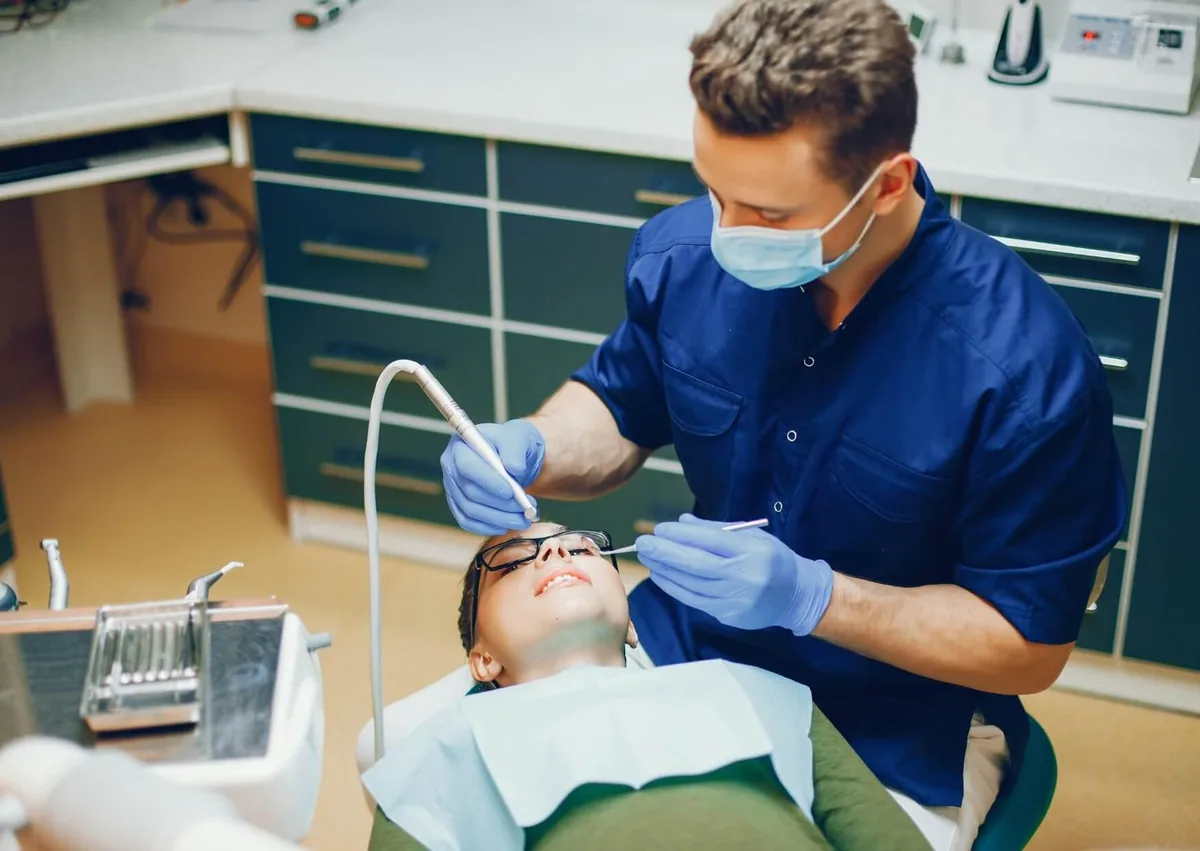
A preventive visit is a good time to share changes in medications, pregnancy status, medical conditions, or home-care challenges. Let the team know if you feel nervous at dental visits, since that can affect how your care is planned.
This information helps the dentist recommend the right exam schedule, cleaning frequency, X-rays, and preventive treatments for you. The goal is a plan that fits your needs rather than a one-size-fits-all routine.
If it has been a while since your last visit, there is no need to feel embarrassed. A local dental team can explain what they see in plain language and help you take the next step from where you are now.
Start with a preventive visit to review risks, update X-rays if needed, and set a cleaning and follow-up plan that fits your life. Call The Dental Club's general dentistry team in Stratford, CT at (203) 378-0182 to schedule or request an appointment online.
Many dental plans cover some or all of routine exams, cleanings, and certain X-rays. Coverage details, frequency limits, deductibles, and network rules vary, so it is best to confirm them with the insurance provider or dental office.
Good home care is essential, but it does not reliably remove hardened tartar. Professional cleanings also give the dental team a chance to monitor areas that are hard to see or reach at home.
No. Adults with frequent cavities, exposed roots, dry mouth, orthodontic appliances, or other risk factors may also benefit from professional fluoride treatment. See our guidance on after fluoride treatment for eating and care recommendations.
Tell the dental team when you schedule and again at the appointment. Many offices can explain each step, offer breaks, use comfort measures, and plan shorter visits when needed.