
Did your temporary crown fall off during Saturday dinner or after your dentist closed? Save the crown, avoid chewing on that tooth, and follow your treating dentist’s after-hours contact instructions. A lost temporary crown does not always require an emergency visit, but pain, swelling, injury, or trouble swallowing or breathing can change the urgency.
The Dental Club in Stratford, CT, provides emergency dentistry for patients with urgent dental needs, including situations involving lost or damaged temporary crowns. Our team offers guidance to help patients understand their next steps and determine when prompt evaluation is needed.
Key Takeaway: If your temporary crown fell off, protect the tooth rather than assuming you can wait for your permanent-crown appointment. Contact your treating dental team for guidance on timing, and seek urgent help for severe or worsening symptoms.
Table of Contents
Start with the dentist who prepared the tooth, even if you expect the office to be closed. The voicemail or official website may explain how to leave an urgent message or reach an on-call clinician; weekend availability varies.
Do not force the crown back onto the tooth or try to glue it in place. A crown that does not fit correctly can interfere with your bite or come loose again.
Watch Out: Avoid two risky fixes: household glue and sleeping with a loose crown in your mouth. Keep the crown in its container until a dental professional advises you what to do.
An exposed tooth may feel rough or sensitive without a serious complication. However, symptoms alone cannot tell you whether the tooth, the material supporting the crown, or the surrounding tissue has been damaged.
Seek prompt dental evaluation for:
Trouble breathing or swallowing, rapidly spreading swelling, or swelling involving the neck or eye area requires emergency medical care. Call 911 for breathing difficulty, choking, or another life-threatening emergency.
If you cannot reach your treating dentist and symptoms need prompt attention, contact a local provider of emergency dental care. A hospital emergency department can assess serious infection or injury, but may not be able to replace or reattach a crown.
If you think you swallowed the crown, contact a healthcare professional for guidance rather than assuming no follow-up is needed. Sudden coughing, wheezing, or breathing difficulty after the crown disappears may mean it entered the airway and needs immediate evaluation.
A temporary crown is a short-term cover for a prepared tooth while the permanent crown is being made or treatment is being completed. It can help reduce sensitivity, protect the tooth, and maintain space and gum shape around it.
Temporary crowns are generally held with cement designed to allow later removal. Losing one does not automatically mean the tooth is damaged, but leaving the tooth uncovered may allow irritation, breakage, or movement that could affect the permanent crown’s fit.
A permanent crown is intended for longer-term use and is usually secured with a longer-lasting cement or bonding material. If you are unsure which type came off, tell the dental team rather than assuming it is temporary or can simply be put back.
A detailed message helps the dental team assess urgency. Include:
A tooth that has had a root canal may not feel temperature sensitivity, but it still needs protection and assessment. Lack of pain is not a reason to skip contacting the office.
Pro Tip: Ask three questions when the team calls back: “How soon should I be seen?”, “What should I do until then?”, and “Who should I contact if symptoms worsen while you are closed?”
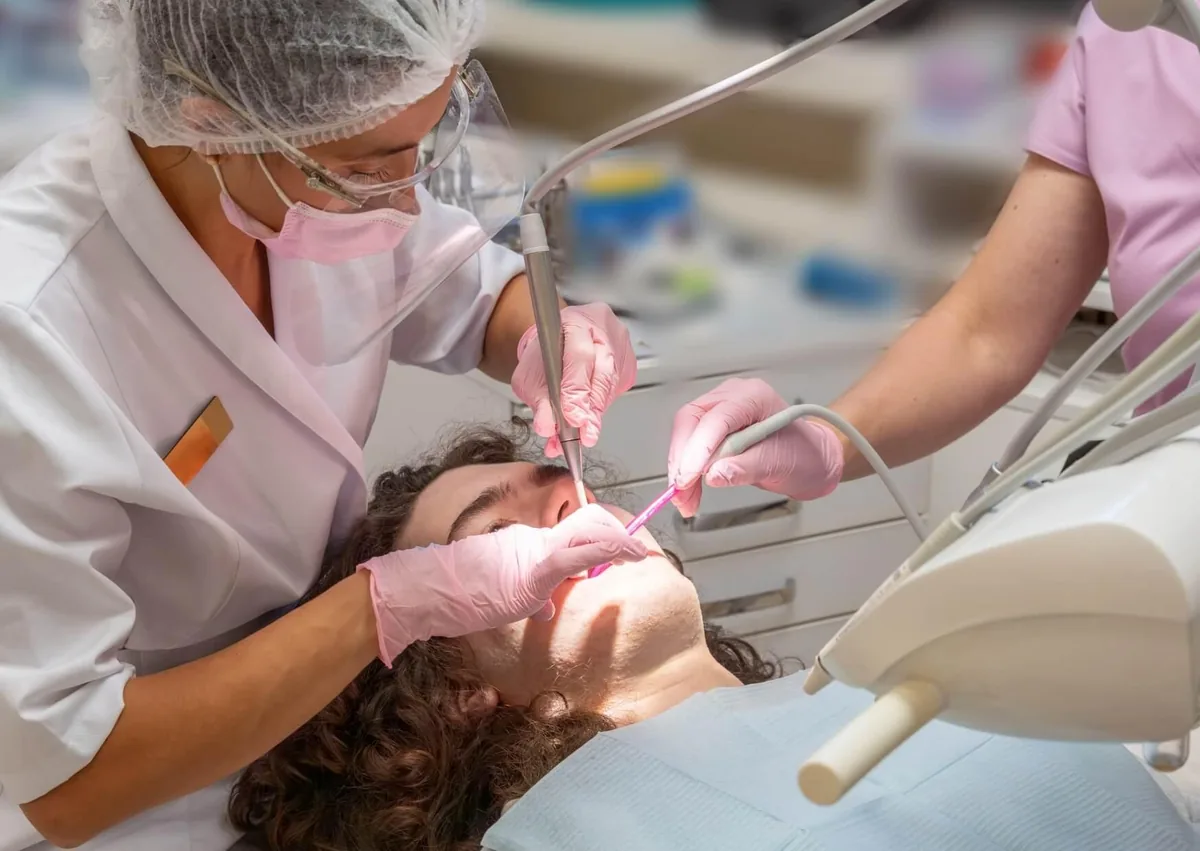
The dentist may examine the exposed tooth, the temporary crown, your bite, and the surrounding gums. An X-ray may be needed if there is concern about damage, decay, or another problem that cannot be assessed by looking alone.
If the tooth and crown are suitable, the dentist may clean and reattach the temporary crown. A damaged or poorly fitting crown may need replacement, while damage to the tooth may require a different treatment plan.
Do not assume your scheduled permanent-crown visit makes an earlier assessment unnecessary. Your treating team can explain whether that appointment should remain as planned or whether the tooth needs attention first.
If you see another dentist, bring the crown and share your treating dentist’s contact information and planned treatment. Ask about evaluation, reattachment or replacement charges, and any after-hours fee; confirm insurance coverage with the office and your insurer.
A lost temporary crown over a weekend does not have to mean deciding alone whether care can wait. Protect the tooth, follow your treating dentist’s after-hours instructions, and use a local urgent dental provider if prompt assessment is needed and your regular team is unavailable.
The Dental Club provides emergency dentistry in Stratford, CT, helping patients address urgent dental concerns such as lost temporary crowns. Contact us at (203) 378-0182 to discuss your situation and arrange an appointment.
Sometimes, but the dental team should help determine the timing based on your symptoms and the tooth’s condition. Follow the office’s after-hours instructions rather than assuming it is safe to wait, and seek prompt evaluation for severe or worsening pain, swelling, or injury.
Choose soft foods and chew on the other side until you receive guidance. Avoid hard or sticky foods and anything that triggers sensitivity in the exposed tooth.
Contact the dentist even if you cannot find it. The team can assess whether you need a replacement temporary crown or another way to protect the tooth.
Yes. An uncovered tooth can still be vulnerable to damage or movement without causing pain, so let your treating dentist determine how soon it should be checked.